Brooms, Kettles and the 3pm Pause: Inside Sutton Coldfield’s Quietest Shop Hour
Photo: Michael Garlick , CC BY-SA 2.0, via Wikimedia Commons
There is a particular moment in Sutton Coldfield when the town seems to exhale. The lunchtime crowd has gone back to desks and kitchen tables. The school run is still gathering itself. The light is already thinking about going home. And on roads like Boldmere Road, Mere Green and the lanes around Walmley, the shop door stops swinging.
It lasts perhaps forty minutes. Maybe an hour. It is not closing time, and it is not dead air. It is the 3pm lull — and if you ask the people behind the counters, it is one of the most useful parts of the day.
The Hour When the Shop Breathes
“People think you’re standing there doing nothing,” says Ruth, who runs a small florist’s near Mere Green. “You’re never doing nothing. You’re doing all the things that don’t fit when there’s a queue.”
At 3pm, Ruth sweeps petals from the floor, checks the next day’s orders and writes a list of anything running low. The bucket changes, the ribbon drawer gets straightened, and the roses that have done their bit are moved to the front for a last chance. “It’s the only time I can hear myself think,” she says. “And it’s usually when I remember something important.”
That rhythm repeats across town. The lull is not a pause in the business. It is the bit of the business that customers rarely see.
First the Kettle, Then the Clipboard
In a hardware shop in Boldmere, Dev has a routine. The last afternoon customer leaves, the till drawer clicks shut, and the kettle goes on before the broom comes out.
“You need ten minutes to reset your head,” he says. “Then you can see what needs doing. If I go straight to the stocktake I miss things.”
His 3pm jobs are unglamorous and endless: checking boxes of screws, labelling shelves, tidying the bits bin that everyone promises not to muddle and everyone muddles anyway. There is also, he admits, a crossword. “It lives under the counter. It comes out when the road goes quiet. If someone comes in, it goes away. It’s not a secret. It’s just not the main event.”
The main event, he says, is being there when somebody needs a washer, a fuse or a bit of advice. The quiet hour simply gives him time to be ready for it.
When the Window Gets a Second Look
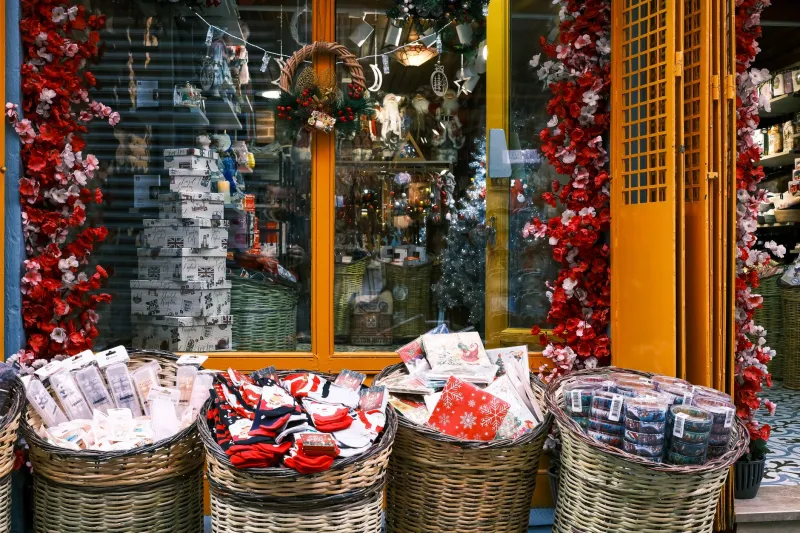
At a gift shop in Wylde Green, Kath uses the lull to look at her own window as if she were a passer-by. She steps outside, tilts her head, moves a candle two inches to the left, and tests the little string of lights that will carry the shop through the Christmas season.
“In November, the window is doing half the work,” she says. “You can’t see it properly when you’re behind the counter all day. At three o’clock, I can.”
She also uses the time to write the little handwritten cards that explain where things come from — a reminder that hyperlocal shopping is not just about the object, but the story attached to it. “People ask more questions when there’s no queue. That’s when you get the good conversations.”
The Calm Before the School-Run Rush
For Sal, who runs a café in Walmley, 3pm is not really quiet. It is the deep breath before the school run. At half past three, the door will start swinging again and the requests will come thick and fast: babyccinos, toast, a biscuit, somewhere to put a wet coat.
So at 3pm she wipes the tables, restocks the milk, and gets the first tray of scones in before the rush. “It’s a moving pause,” she says. “You’re not sitting down. You’re setting up.”
She likes the lull because it lets her chat to the customers who come in without a deadline. “You get the people who’ve just been to the park, or the ones who’ve finished a shift. They don’t want to be rushed. Neither do I.”
The Chat That Only Happens at Three
Martin, who works in a second-hand bookshop in Four Oaks, says the 3pm hour is when the shop becomes a sort of living room. The morning is for browsers with lists. The afternoon is for regulars with time.
“You get the same faces,” he says. “They come in, they look at the same shelf, and then they tell you about the book they read in 1978. That’s not a nuisance. That’s the job.”
He uses the quiet spell to sort returns, dust the top shelves and write out the little recommendations that sit on the counter. “A shop like this runs on conversation. If you’re too busy to talk, you’re too busy.”
The Sweep and the Hello
On the Parade, Jo looks after a small vintage and repairs shop that seems to collect interesting objects and interesting people in equal measure. At 3pm, she sweeps the step, checks the labels and makes a note of anything a customer has asked her to look out for.
“The lull is when you remember the person who came in last Tuesday and wanted a particular button,” she says. “You can’t do that with three people waiting.”
She also keeps an eye on the street. The 3pm hour is when neighbouring traders pop in, when a delivery might arrive, when somebody from two doors down asks if she has a spare pair of scissors. “It’s not lonely,” she says. “It’s neighbourly, just at a lower volume.”
Why the Quiet Hour Matters
The 3pm lull is not an accident of the timetable. It is part of the town’s rhythm — a small, ordinary pause that keeps independent shops running. It is when the sweeping happens, the stock gets counted, the window gets rearranged and the crossword gets a look-in. It is also when the conversations happen that make a shop feel like a shop and not a screen.
For shoppers, it is worth remembering. If you can, use the quieter hours. A weekday afternoon is often easier for a proper look, a question, a chat. The door may not be swinging, but it is open. And the kettle is probably on.
Ahead of Small Business Saturday on 5 December 2026, it is a small nudge with a big return: shop small, shop local, and don’t be put off by a quiet moment. In Sutton Coldfield, quiet is often where the good stuff happens.