Ghost Matinees: A Stroll Past Sutton Coldfield's Vanished Picture Houses
Photo: https://www.flickr.com/photos/ajw1970/, CC BY-SA 2.0, via Wikimedia Commons
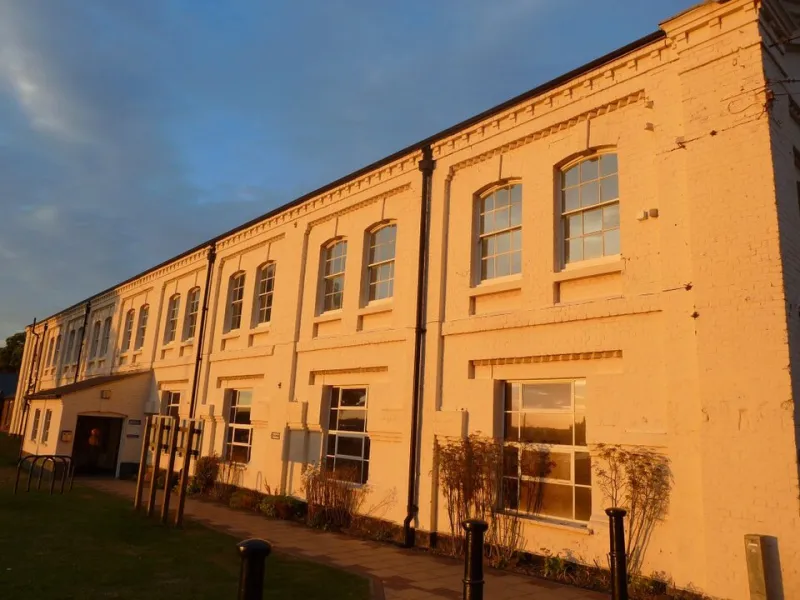
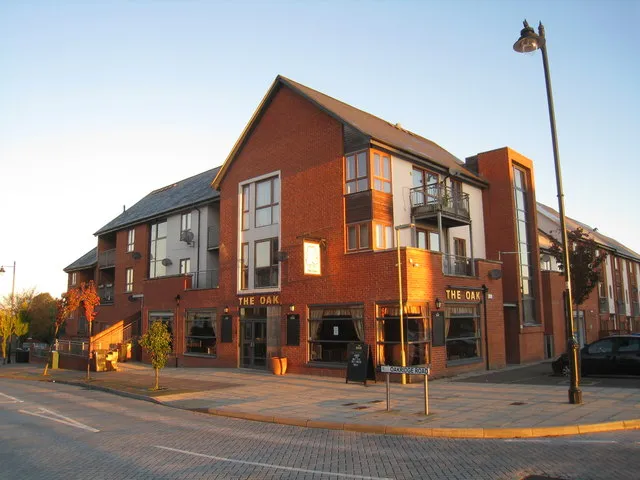
Every town has a building that used to be something else. In Sutton Coldfield, a few of ours used to smell of popcorn. You can walk past them now and see a shop sign, a car park, a row of flats — and if you are of a certain age, you can also see the queue stretching down the pavement on a Saturday afternoon. This is a wander through the picture houses we have lost, and a thank-you to the ones still lighting up.
A town of queues and usherettes
Going to the pictures used to be a whole evening out. Not just the film — the bus into town, the queue, the usherette with her tray, the cartoons before the main feature, the walk home in the dark. In Sutton Coldfield, that ritual played out in several small cinemas, each with its own character. Old copies of the Sutton Coldfield News are full of adverts for 'continuous performances' and 'book early to avoid disappointment'. The buildings have mostly gone, but the habit shaped the town.
What stood where
The Regal on Birmingham Road is the one people mention first. It opened in the 1930s and, by the 1960s, was the place to see a big film on a Saturday night. Locals remember the red seats, the heavy curtains and the ice cream tubs with wooden spoons. It closed in the 1970s and the site has since been redeveloped — but stand on the pavement opposite and you can still picture the foyer lights.
The Picture House on South Parade was smaller and older, a silent-era cinema that later switched to talkies. By the 1950s it was showing second-run films and Saturday morning pictures for children. The building was absorbed into retail use, and the projection room is now a store cupboard. If you look up above the modern shopfront, the old roofline gives a hint of what was there.
In Boldmere, the Cosy was exactly that: a little picture house with a single screen and a loyal local following. It was never grand, but it was close. Families could walk to it. Teenagers could afford it. It closed in the early 1960s, and the site became a supermarket — a swap that tells its own story about how we started doing our weekly shop instead of our weekly cinema trip.
Over in Wylde Green, the Empire was the last of the old-style halls to keep going. It had a wider screen, a slightly smarter foyer and a Saturday matinee that felt like a proper event. It survived into the 1970s before television and changing habits took their toll. The name has been reused by the cinema we still have in town, which is a nice bit of continuity even if the building is different.
The ritual we lost
What went with the buildings was the ritual. The queue that started half an hour early. The argument about which row was best. The rustle of sweets. The moment the lights went down and the curtains opened. Cinema going was not just about the film; it was about being somewhere together. In a town like Sutton Coldfield, where so much community life happens in small rooms and side streets, the picture house was one of the few places where everyone mixed.
Old photographs show crowds outside the Regal in winter coats, and the adverts show double bills that ran for a week. Newspaper snippets complain about queues and praise the new sound system. It is ordinary history, the kind that does not make the national archives, but it is ours. And it is worth keeping alive in memory, even if the buildings are gone.
The screens we still have
The Empire in Sutton Coldfield is still showing films, and it deserves our support. Not because it is a museum piece, but because it is the current chapter of the same story. A Saturday afternoon at the pictures is still a good way to spend a few hours, and it is still a local habit worth keeping. Take the kids. Take a friend. Go on a wet Wednesday when the town is quiet. The popcorn will cost more than it did in 1962, but the lights still go down the same way.
The lost screens of Sutton Coldfield are not just nostalgia. They are a reminder that going to the pictures has always been a choice — and that choices like that keep a town's evenings alive.