Full Price, No Apologies: The Sutton Shops Sitting Out the January Sales
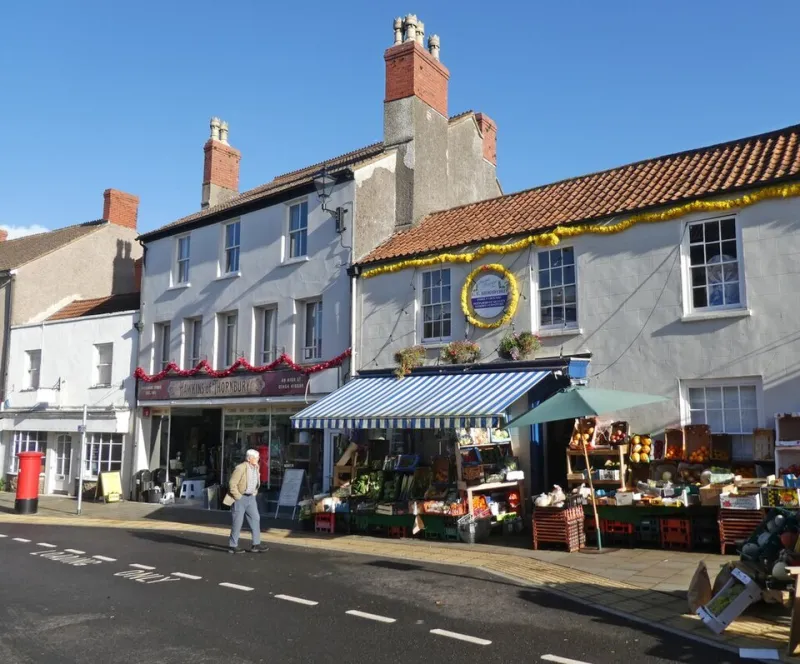
Photo: Roger Cornfoot , CC BY-SA 2.0, via Wikimedia Commons
Red tickets. Percentages written on A4 in biro, curling at the corners. By the second week of January, half the country seems to be in a permanent state of reduction, and the message is always the same: we would rather have your money than our stock.
Except in a handful of Sutton windows, where nobody has written anything at all.
The window with nothing in it
I spent a damp Saturday morning walking Boldmere Road, Mere Green and the Parade looking for the shops that had declined to join in. They are easy to miss, precisely because there’s no shouting coming off the glass.
“I’ve been asked four times this week if we’re doing a sale,” the owner of a small hardware shop told me, halfway up a stepladder. “Four times. And every time I say the same thing: the price on it is the price. It was the price in October, it’ll be the price in March.”
It sounds almost rude written down. In person it isn’t. It’s said with a smile and a bit of weariness, the way you’d explain to a neighbour that no, you can’t lend them the van again this weekend.
Why a discount isn’t free
Here’s the bit that gets lost between the red posters. A small shop buys its winter stock months in advance — the wool in August, the boots in September, the Christmas stock before the schools went back. That money is already spent, and the margin left on each item is thinner than any of us would guess.
Take a £60 jumper. Knock 30% off and you’ve given away £18. If the shop’s margin on that jumper was £24, it has just handed over three-quarters of its profit to persuade you to take it home. Do that across a whole shop for six weeks and you haven’t had a sale — you’ve had a very slow, very cheerful burglary.
“People think sale stock is free money,” a shopkeeper on Boldmere Road said. “It isn’t. It’s the same money I was going to pay my staff with in February.”
The pressure to blink
None of this happens in a vacuum. Brands push discounts down the line. Landlords still want the rent on the first of the month. Footfall in January is thin, and the internet is open twenty-four hours with a permanent sale on.
So the shops that hold firm are making an active choice, not a lazy one. Several owners told me the same thing in different words: they would rather sell fewer things at an honest price than more things at a price that trains customers to wait.
In fairness, the other side
Let’s not pretend discounting is a moral failing. For some independents, a January clear-out is genuinely how they fund the spring order. Cashflow keeps the lights on, and a shop with empty rails in February has nowhere to hang the new season.
A florist put it neatly: “I’d rather have your ten pounds in January than your twenty pounds I never see.”
Both positions are respectable. What isn’t respectable is the assumption that a shop must discount, and that refusing is somehow a bit unfriendly.
What the full price actually pays for
When you pay the price on the label at a Sutton independent, you are not merely buying the item:
- You’re paying for the person behind the counter knowing your name, and which size you take.
- You’re paying for repairs, adjustments and “leave it with me, I’ll order it in”.
- You’re paying for opening hours that don’t depend on a warehouse in the Midlands business park.
- You’re paying for somebody’s teenager to have a Saturday job.
- You’re paying for the lights being on next January.
That’s the trade. It isn’t a bargain, exactly. It’s something better than a bargain.
A small February pledge
The sales will be over by the middle of the month, and the town will look like itself again. My suggestion, offered gently: pick one Sutton independent in February — a butcher, a bookshop, a bike shop, the place that sells the good socks — and buy one thing at full price without haggling.
Not out of charity. Out of confidence. A town where shops can hold their prices is a town where shops believe they’ll still be here in twelve months, and after the last few years of shutters and “closing down” banners, that belief is worth paying for.