Shutters, Brooms and the Last Bus Home: Sutton After the Shops Close
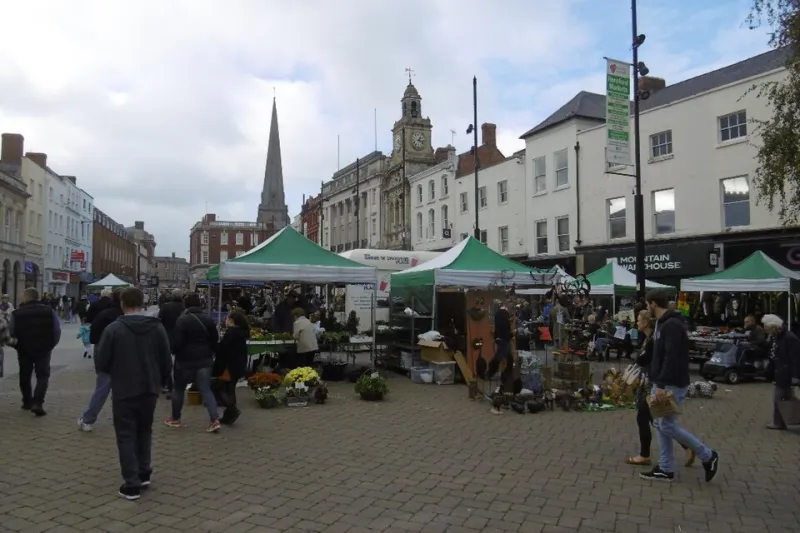
Photo: Richard Webb , CC BY-SA 2.0, via Wikimedia Commons
By twenty past six on a damp Tuesday in November, the Parade has already changed gear. The lunchtime clatter has gone. The shutters are coming down in stages, one shop at a time, with that familiar rattle-and-clunk that seems to travel along the street. A florist carries two empty buckets back inside. A bookshop flicks its window lights off, then on again, then off properly. Somebody is flattening cardboard behind the row of shops, and somebody else is laughing about a delivery that never arrived.
This is the hour Sutton Coldfield stops being a shopping town and becomes something quieter and, in its own way, more revealing. The crowds have gone home. The people who stay behind are the ones who know the place best.
The last till count
On Boldmere Road, a shopkeeper is doing what she calls the last tidy. The door is locked, the blind is half down, and she is counting the float into a small cloth bag. She has run the shop long enough to know that the final hour of the day has its own rhythm.
"You get the last few browsers, then the people who know exactly what they want," she says. "Then it goes quiet, and you can hear the fridge humming. That's when I know I'm nearly done."
The lights go off in a particular order: the window first, then the back, then the till area. The alarm beeps. The key turns. She says goodnight to the cleaner, who is waiting with a mop and a bucket, and the two of them swap places as if they have done it a thousand times. In a way, they have.
Brooms, buckets and flattened cardboard
The town does not stop when the shops close. It swaps shifts. Cleaners move in with trolleys and spray bottles. Delivery drivers stack crates by back doors. A van with its tail lift down sits outside a food shop while two men wheel cages of produce across the pavement, talking about football and the price of diesel.
Near the Gracechurch Centre, a man in a high-vis jacket is collecting rubbish bags from the service yard. He says the quiet is the best part of the job.
"You see the same people every night," he says. "The cleaners, the takers-away, the bus drivers. We all nod. It's a little club, really."
There is something neighbourly about it. The day crowd might be gone, but the night crowd is already here, and it is just as local. The woman emptying the bins behind the bakery knows the name of the man locking up the card shop. The driver waiting for a parking space knows which shop leaves its lights on too long. These are the small, repeated moments that make a town feel like itself.
The first queue of the night
By ten past seven, a different queue has formed. It is not outside a pub or a restaurant. It is outside the takeaway, where the window is steamed up and the smell of chips and spices drifts down the pavement. A group of teenagers stand in a loose huddle. A man in work boots checks his phone. A couple read the menu aloud to each other as if it is a serious decision.
The queue is part of the evening now. It marks the point when Sutton stops being a place of errands and becomes a place of small comforts. The staff inside call out order numbers. The door opens and closes, letting out warmth. Nobody seems in a hurry.
Further along, the last bus of the early evening pulls into the stop near the station. A woman with a shopping trolley gets on. A lad with headphones follows. Two nurses in scrubs sit near the front. The driver waits, checks the mirror, and pulls away with a wave to someone he clearly knows.
The nine o'clock hush
By nine, the streets are quieter. The shutters are down. The lights above the shopfronts are still on, but the windows behind them are dark. A few people walk home along the Lichfield Road, past the park gate and the streetlights. The town feels smaller now, and softer.
This is the hush that regulars know. It is not emptiness. It is the sound of a place exhaling. The last till has been counted. The brooms have been put away. The first queue of the night has turned into the first wave of people heading home. And somewhere near the station, the last bus is waiting.
If you are out late in Sutton, the takeaways on the Parade and Boldmere Road are your best bet after eight, and the buses keep running into the evening, though it is always worth checking the timetable before you set off. But the real pleasure is not in the planning. It is in the walking. Wait until the shutters are down, and listen. The town is still talking.